Ngorongoro Crater
Overview
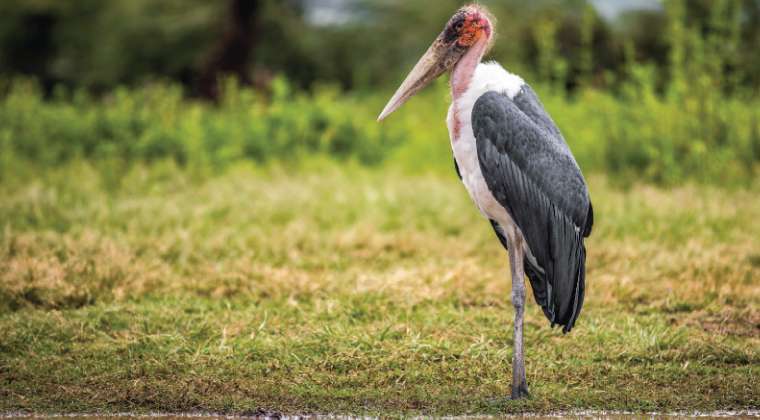
The Ngorongoro Conservation Area spans from Serengeti National Park in the north, to the Great Rift Valley in the east. In total, the conservation area covers more than 8,000 km² (3,200 sq. miles). It consists of the Ngorongoro Crater, Ndutu, Olduvai Gorge, Empakaai, Olmoti Crater and Oldonyo Lengai Mountain. The mix of forests, valleys, savannah, craters, lakes and swamps is home for a wide range of animals.
About Ngorongoro Crater
The famous Ngorongoro Crater is the main feature of this area. Two to three million years ago the large volcano exploded and collapsed on itself. As a result the crater formed which then created a unique ecosystem with a wide variety of vegetation.
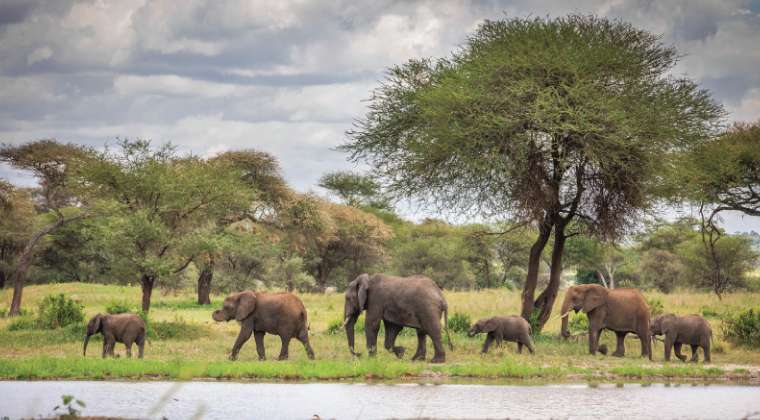
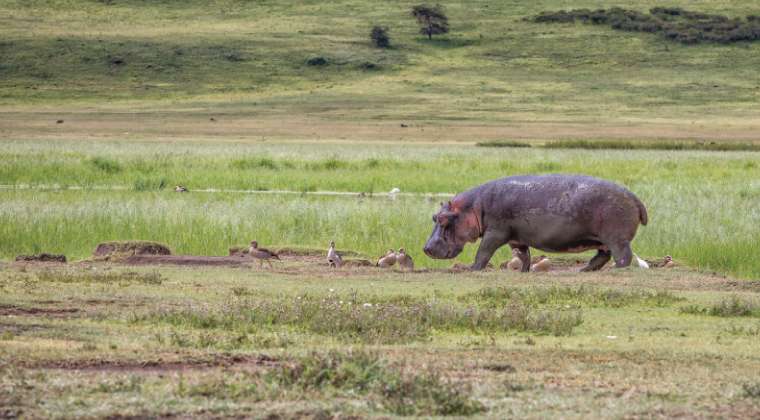
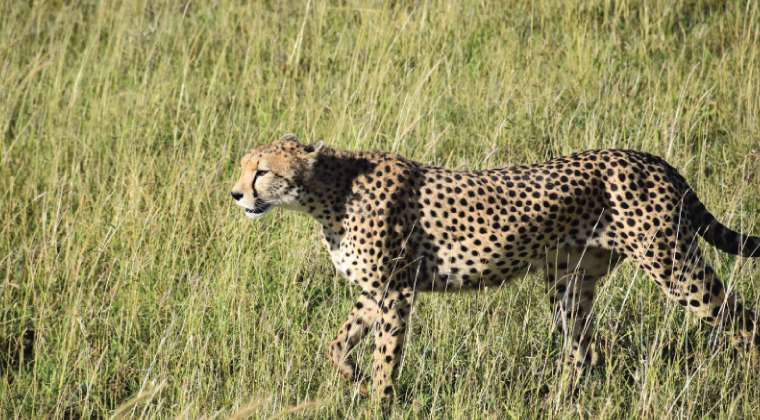
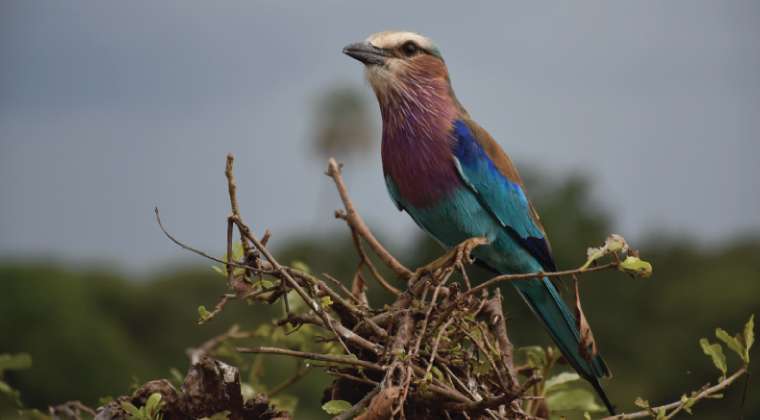
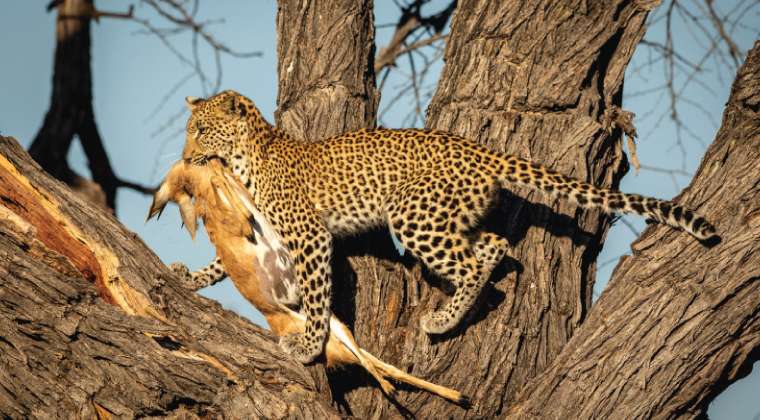
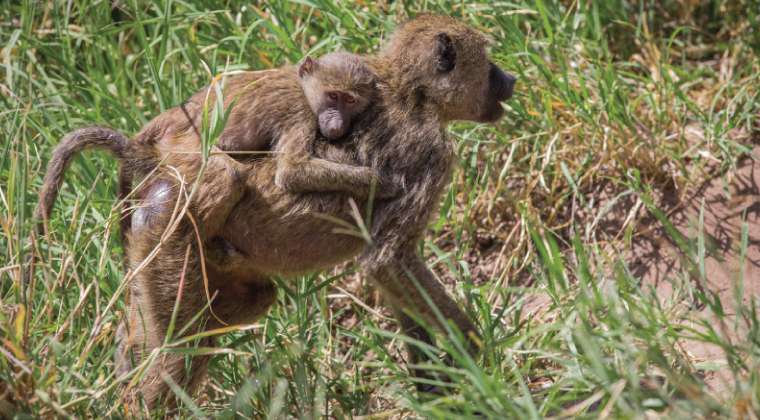
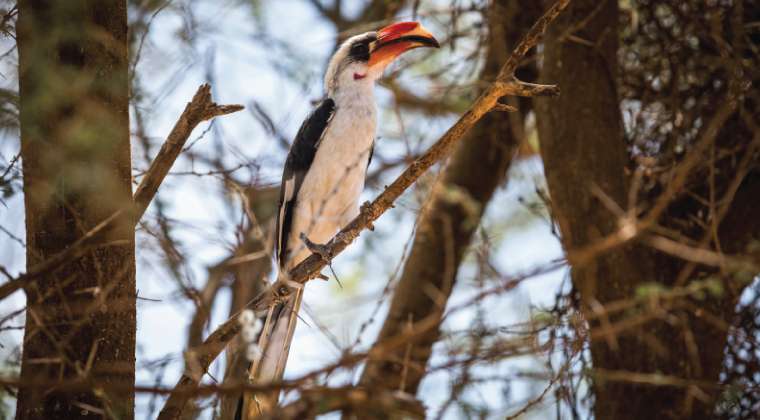
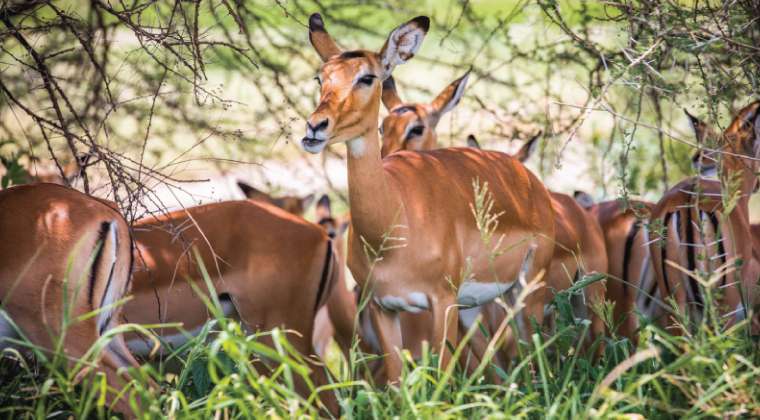
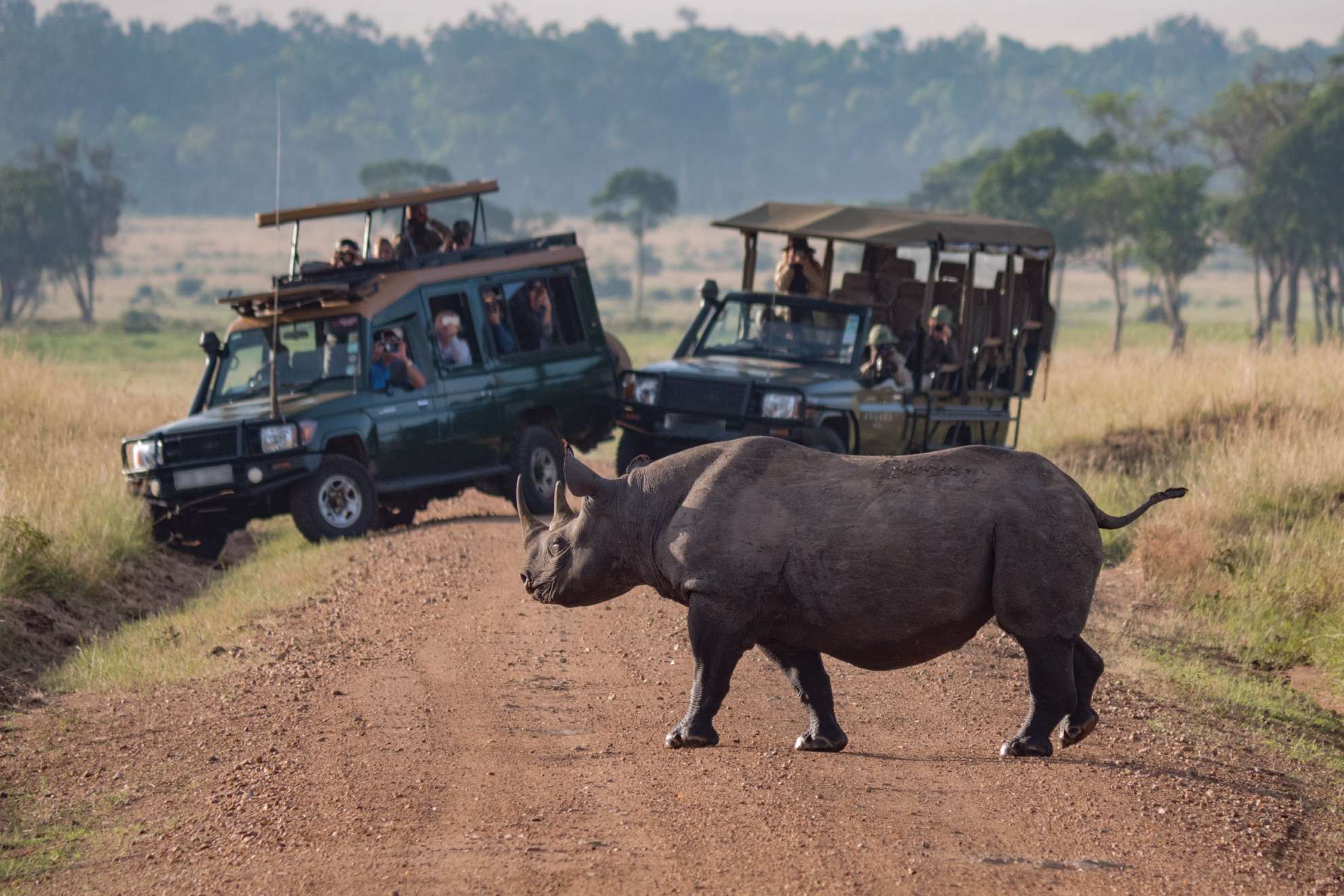
Today the crater is home to the highest concentration of wildlife in Africa. It is home to zebras, buffaloes, warthogs, baboons, elephants, flamingos, ostriches and hippos. You can find a high population of predators, including lions, hyenas, jackals, cheetahs and leopards. And a big attraction of the Ngorongoro Crater are of course the Big Five – buffalo, elephant, leopard, lion, rhino. You can see them all in this 20 kilometres (12,5 miles) wide and 600 metres (2,000 feet) deep crater. Enjoy the variety of animals and beautiful colours of the landscapes. The views from the crater rim over the crater floor are incredible. Because of its natural beauty, the crater is chosen as one of Africa’s Seven Natural Wonders.
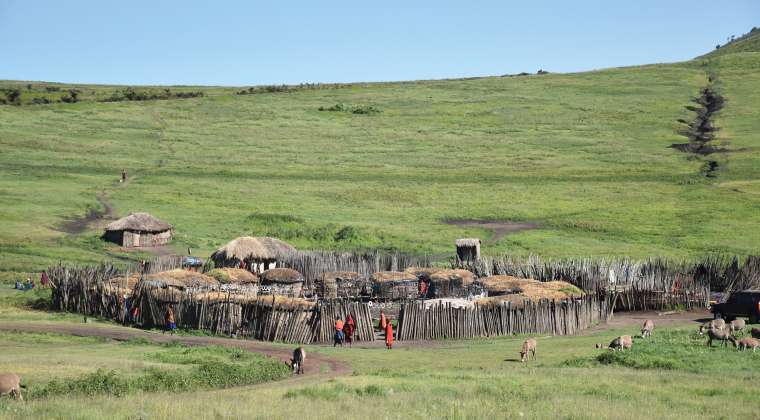
During your safari it is also possible to visit the Maasai tribe. They are allowed to let their livestock graze in this area. If you really want to learn more about the lifestyle and rituals of this fascinating tribe, we recommend you to book a Maasai Tour.
You like to incorporate Ngorongoro Crater into your itinerary? Check our Tanzania safaris for inspiration or contact us for a personal advice.
- Mountainbike tour Lake Manyara
- Visit Maasai village
- Visit Hadzabe tribe
- Cultural tour Mto wa Mbu
- Arusha to Ngorongoro Conservation Area: 3 hours
- Ngorongoro Conservation Area to Serengeti National Park: 2 hours’ drive.
- Ngorongoro Conservation Area to Lake Manyara: 1 hour drive.
- Ngorongoro to Tarangire: 2 hours’ drive
The Ngorongoro Crater is one of the main reasons many people visit Tanzania. It is a spectacular experience and I recommend everyone to spend at least 1 day at the crater floor.
How long to stay? 1 day at the crater floor and an extra day if you want to explore the area around the crater.
Which hotel? Ngorongoro Sopa lodge, because of the beautiful views, friendly staff and beautiful rooms.
You can spot wildlife on the crater floor at any time of the year. But the viewing is better in the Dry season (June to October), when the grass is short and smaller animals are easier to see. Also, mist and rainfall is less likely to interfere with your safari at this time.
5 / 5
Based on 206+ reviews
EXCELLENT Based on 4 reviews
 Posted on Google
 Lianne DijkI had an amazing safari experience with Borbo Safaris. From the very beginning, Rebeca and Emanuel welcomed me like part of their family I really felt safe and comfortable! Emanuel was honest and clear about what to expect during the safari, which I really appreciated. Communication was open and straightforward, making everything easy and clear. During the safari, I saw all of the Big Five and many other incredible animals, surrounded by stunning landscapes. I joined a group safari and spent the days with a lovely group of people. As a solo traveler, it was a great way to meet others. The guide was fantastic, always listening to our interests and making sure we saw as much as possible. He worked hard to give everyone the best experience. In short, it was an unforgettable adventure. I highly recommend Borbo Safaris to anyone who wants a genuine, caring, and amazing safari experience.Posted on Google
 Emanuel JulianVery familiar with professional team during your holiday in Tanzania for wildlife and local experiencePosted on Google
 Christoph RiefI did a 4 day Safari in Tarangire, Serengeti and Ngorongoro Nationalparks . The tour was very well organized. The driver and guide was nice and explained a lot. The food in the camps was really good. I can highly recommend Safari and Homestay with Rebecca and Emanuel!

Information and facts
Ngorongoro Crater is the main attraction of this area. It is home to the highest concentration wildlife in Africa. You can see lions, elephants, zebras, black rhino and so much more. The views from the crater rim over the crater floor are spectacular. No wonder it is chose as one of Africa’s Seven Natural Wonders.
Most common animals
- Rhinos
- Hippos
- Lions
- Grant Gazelles
- Thomson Gazelles
- Zebras
- Wildebeests
- Warthogs
- Highland Antelopes
- Elephants
- Jackals
- Ostriches
Facts about Ngorongoro Crater
- Ngorongoro crater floor with its unique habitat and wildlife
- Ngorongoro Highlands
- Olmoti Crater and Empakaai Crater
- Tropical rainforest
- Olduvai Gorge, earliest place of human existence on earth
- Museum Laetoli Footprint, has oldest known footprints of early humans.
Map of Ngorongoro Crater